It is not science journalism's job to improve trust in science
Also: The "Science: A New Golden Age" report, layoffs at National Geographic, and studies on the consequences of AI adoption in research

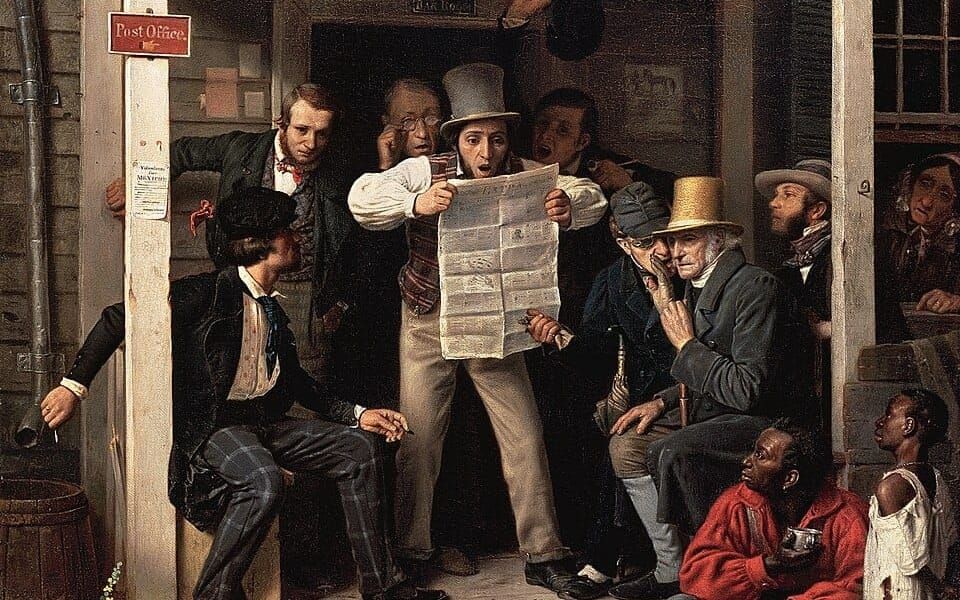
Imagine attending a gathering of political journalists. It kicks off with a debate about whether the role of political journalism is to improve trust in politics. On one side of the debate are two journalists arguing, no, that is not their job. On the other side is the head of a civic engagement nonprofit's information service and a freelance consultant who writes for political nonprofits. They say: yes, it is the job of "politics writers" to enhance public trust in politics.
Absurd, right? But that's the reality in science journalism. In 2018, the US National Association of Science Writers (NASW) really did open its annual conference with a debate over whether building trust is the job of "the journalist, and more specifically, the science writer." Two journalists, argued no, it isn't. Their opponents were the director of the nonprofit American Association for the Advancement of Science's SciLine service and a consultant who works with nonprofits. The fact that journalists would be put on stage to debate this issue with two public relations professionals is, to me, symptomatic of a schism that science writers need to start taking more seriously than we historically have.
What you might call the cheerleader-muckraker divide is an enduring tension within science journalism. Dan Vergano, a former senior editor at Scientific American, was talking about this back in 2013. Compared to beats like politics, crime, or even sports, science journalism is unusually friendly and uncritical. That includes most of my own work for magazines, which I tend to describe as "science entertainment" in less charitable moments. At its worst, cheerleadery coverage of "gee whiz" science ends up being what science journalist Jackson Ryan calls press release science journalism: uncritical repackaging of press releases from universities. In both the United States and United Kingdom, the largest professional societies for science journalists are also professional societies for people in science PR and education, united under the title "science writer" (Australia, though, keeps the two separate). I doubt any American colleague would challenge me in saying that the NASW is the center of gravity of US science journalism. It is also, if you look at the numbers, less science journalism than it is scicomm: less than half of members in the public directory call themselves reporters.
As a member, I have access to the private directory, and the point stands with the more complete numbers. In fact, the share of reporters is lower.
The cheerleader-muckraker tension isn't new. But it is coming to a head now because of an apparent crisis of trust in science — especially since the pandemic. Setting aside any questions about what, exactly, this crisis entails, it's clear that many science journalists today both see trust in science as a problem and think it is our job to help fix it. You see this everywhere in the science writing world these days. Here are just a few examples:


