I want to do more than write science entertainment
Let's talk about science, science communication, and how knowledge matters

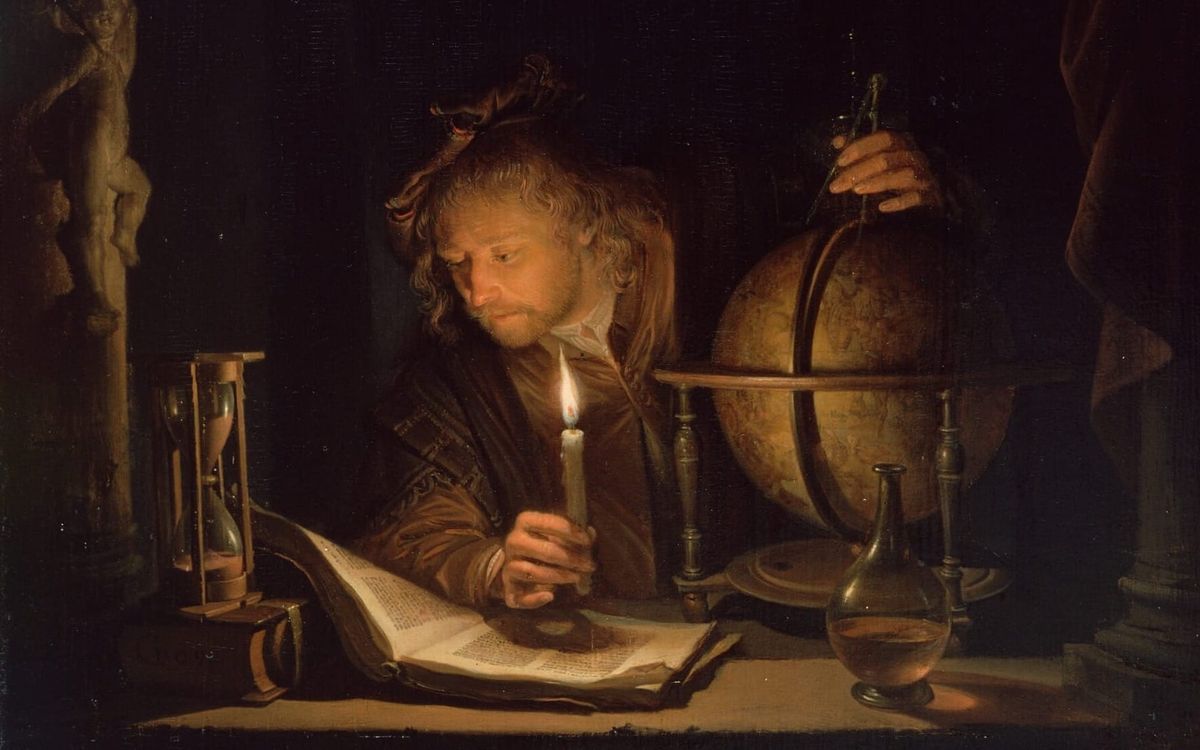
Expect more posts on science communication, the information environment, and the systems of science. Science posts aren't going away. But you'll see a shift from fun "big questions"-type stuff to science that either has serious or immediate stakes (think AI and genetics) or which helps us understand how knowledge is made, spread, and used (think metascience and quantitative social sciences).
The newsletter will pause for a few months as I re-work the website, nail down the new theme and scope, and write new posts.
If you are a paid subscriber and want a refund, get in touch and we'll work something out.
When I started this newsletter, I thought I would mostly be writing about fun, geeky science — breaking down studies, profiling scientists, writing essays on some fun physics, etc. I was pondering writing a book about complexity science, and I wanted to play around with that idea through my posts.
But honestly: I'm having a hard time writing that kind of "fun" science content right now.
Over the past months, I've been doing a lot of thinking about science journalism, science, and the increasingly overwhelming state of the information environment and the world.
I've been thinking about things like literacy rates in countries like the United States, how people broadly prefer to get their news from social platforms, how short-form video is consuming the world, and how popular science is mostly written for wealthy science enthusiasts — it isn't actually "popular" at all.
 Elise Cutts
I've been thinking about how our lives are the sum total of everything we pay attention to, and we have less attention even than we have time.
I've been thinking about clickbait and how you can write the best, most accurate science story ever and it doesn't matter one bit if nobody ever pays attention to it.
I've been thinking that maybe we should hold media to a higher standard than simply being able to grab attention.
I've been thinking a lot about attention. And salience. And when and why and how much to trade richness for reach.
I've been thinking about how depending who you ask AI is either going to create a shared fact-based reality or destroy our ability to know what's real at all.
I've been thinking about whether telling a story about some fun new physics study in a geeky science magazine is informing anyone or making the world better, or if it is really just entertainment for nerds.
I've been thinking that maybe entertainment alone isn't enough to justify the creation of a new piece of content — a new pull on someone's attention — anymore.
I've been thinking about how science communicators sometimes say the point of science communication is to "share science with the public" as if that isn't a tautology.
I've been thinking about how science is a highly insulated, strange culture with its own politics and values, and how easy it is to slip into believing those values are scientifically justified even though is does not imply ought.
I've been thinking about how scientists and science communicators like don't believe the deficit model of science communication in theory, but act in practice as if we think convincing everyone that global warming is real will turn make them all vote for the green party and drive electric cars and go vegan.
I've been thinking about AI and what it means to create when machines are getting good enough, and good enough is enough to matter.
Elise Cutts
I've been thinking a lot about the incentive structures of science and science communication and science journalism and how it probably shouldn't be surprising that people are "losing trust in science."
This is all to say I've been thinking a lot about science, its role in society, and how science gets out into the world where it can inform beliefs, drive policy, and actually do something other than just exist. And that's what I am going to write about now.
Reviewer, too is shifting focus to how knowledge is made, spread, and used
From here on out, this newsletter is going to be a bit different: instead of writing about fun "big questions" science, I'm going to try to write my way through a question that's been eating at me for months now:
How do we know true things about the world, and what needs to happen for that knowledge to matter?
Put another way, I want to know where knowledge comes from and how it works in the world: Where do facts come from (and what is a fact, anyways)? How do facts become beliefs? How do beliefs become actions? And how does finding, believing, and acting on facts happen across scales, from individuals to societies to all 8.3 billion of us?
These are questions about science, science communication, and how science touches society, policy, the economy, and individual lives. But they're also about particular research fields and bodies of scientific knowledge that matter in real ways right now, like AI and human genetics. And science offers a useful handle on these questions by helping us understand ourselves, our societies, our information environment, and the systems of science itself.
Reviewer, too is shifting focus to cover these themes.
Who is this for?
If you care about and believe in science and truth as a force for good, this newsletter is for you.
There's a lot that we — researchers, journalists, institutional PR folks, science-minded creators and influencers, activists, and everyone else who deals in knowledge — need to discuss. There are some inconvenient truths to face, like the fact that many of us are probably not reaching the people we say we aim to reach or accomplishing the goals we say we value, and that AI is actually a big deal that we can't just ignore. We need to be getting serious about what it is we're doing here and what we hope to accomplish by doing, sharing, and acting on science. And, given our goals, we need to figure out what actually works.
I decided to re-focus the newsletter because I want to spark discussions about all that. Because frankly, I don't see them happening often or publicly within my own field, science journalism — and yet, when I talk to other journalists in private, I get the sense that I'm not the only one who wants to talk about this stuff. Maybe we all just need a place to do it... and maybe also someone willing to post researched but ranty hot takes like "pop science is for rich nerds" on the internet to get people arguing. Let's see.
I know that some of you here for the nerdy complexity science and fun "big questions" stuff might be disappointed. But I hope you'll give this new direction a chance — I think you'd be surprised how much complexity science will still play a role in what I write. Knowledge is fundamentally collective, and information spreads on networks.
And if you know someone who you think would care about this kind of thing: please share the newsletter with them! Aside from signing up to support the site, is truly the best way you can contribute to what I'm doing here.
What's next
This is a big change, and I need a break to re-focus and rework the newsletter. So I'm going to put R2 on pause for a few months to revise the website, draft new posts, re-orient my research and writing habits and tools, and develop this new direction. I'm also shifting my reporting beat in the background to align better with my new priorities, so there's frankly a lot going right now here at Elise Cutts inc.
I plan to start posting again in June or July. There might be an update or post before then, but no regular schedule. I'll send an update once I have a firm re-launch date.
If you're a paid yearly subscriber and want a refund, get in touch and we can work something out. But if you're up to keep your subscription running, I'd appreciate your ongoing support during this transition.
Thanks for reading so far. Here's to the next thing!
✅ Writing an AI policy for the site (Done!)
✅ Writing an updated about page (Done!)
⬜ Creating an actually good welcome email for new subscribers
✅ Developing a cohesive short pitch for the blog (Done!)
✅ Setting up working tools to monitor relevant research + news
⬜ Paid subscriber perks
⬜ Lining up interviews for Q&As after re-launch
⬜ Writing posts