Who gets the job? Here's how computers could help catch unfair rankings
I am weirdly hopeful that it could be easier to notice biased AI than biased humans?


Jobs. University admissions. Grants. We apply for a lot of stuff these days. It used to be that Joe from Human Resources would pull out the dreaded scales of Anubis to weigh your heart against a feather to determine whether your soul should be eaten by a primordial crocodile goddess — er, I mean, rank your application. But more and more, Joe is letting bots do the ranking for him.
Maybe this is a good thing: Joe is just a dude, and honestly he's a little racist. Maybe AI can be fairer. Although... AI also consumed the entire internet to come into being, and the internet is also pretty racist.
So, how can we tell when an algorithm is fair? And what does being fair even mean?
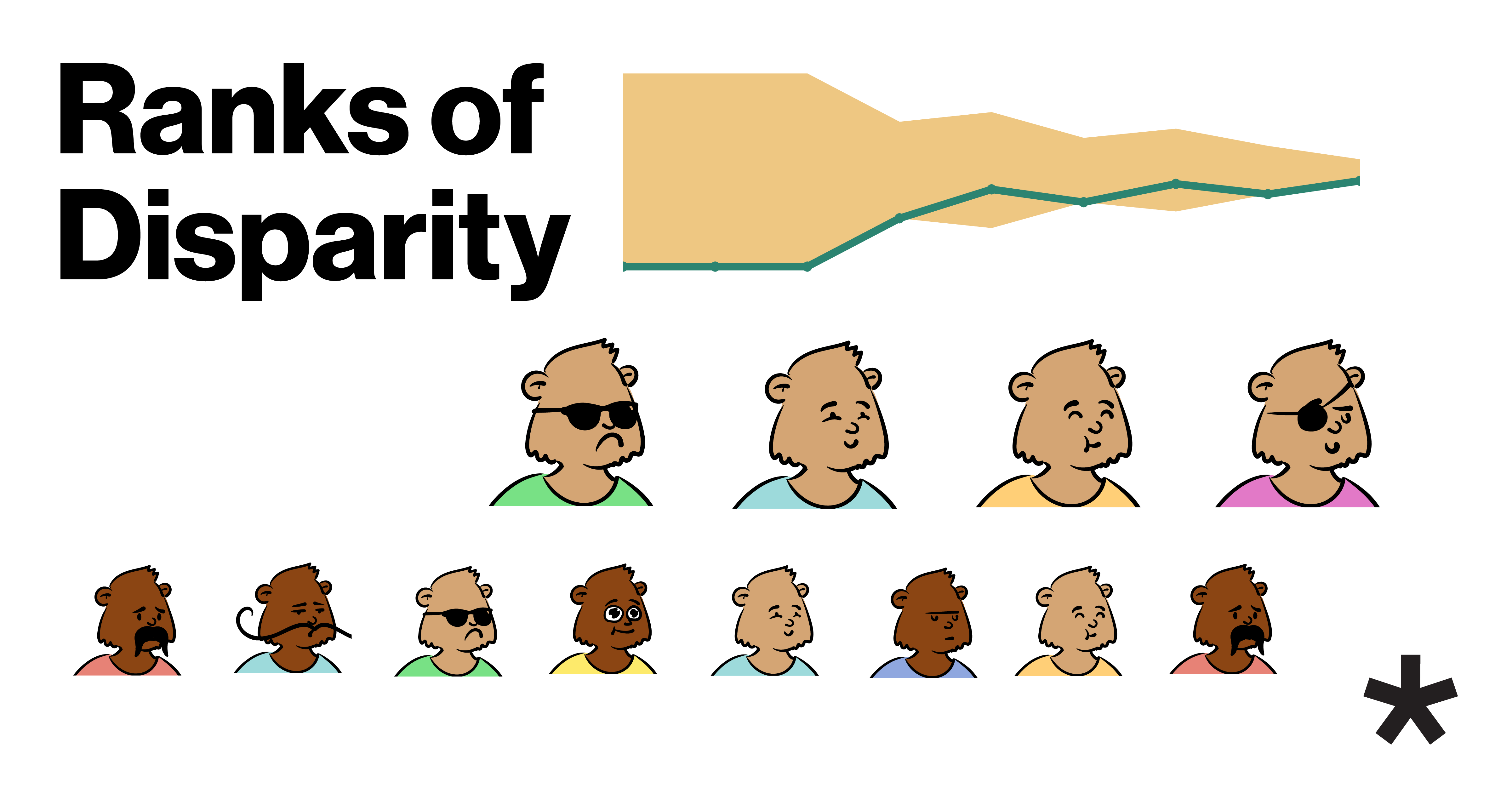
This week's TLDR is a little different. Instead of a study that came out last week, I wanted to highlight this amazing interactive website that was made to visually explain a new way to measure the fairness of ranking algorithms. The method, called hyperFA*IR, was presented last year at the ACM Conference on Fairness, Accountability, and Transparency. It highlights how failing to account for how the pool of remaining applicants changes as you make selections can make some algorithms seem fairer than they really are.

This post is more than 2 weeks old. To unlock the archive, support my work by becoming become a paid subscriber.