Stingers and spikes across nature have the same shape. Here's why.
Not everything in biology evolved for a purpose.

If you only want to get the main newsletter posts, you can unsubscribe from TLDRs from your subscriber portal.
Have your own suggestions or requests? Fill out my survey.
From cacti to bees to narwhals, nature abounds in stabby spikes. Sharp horns and stingers make great weapons, while spines and spikes provide protection. And having spear tips in your mouth comes in pretty handy if you're a meat-eater without hands.
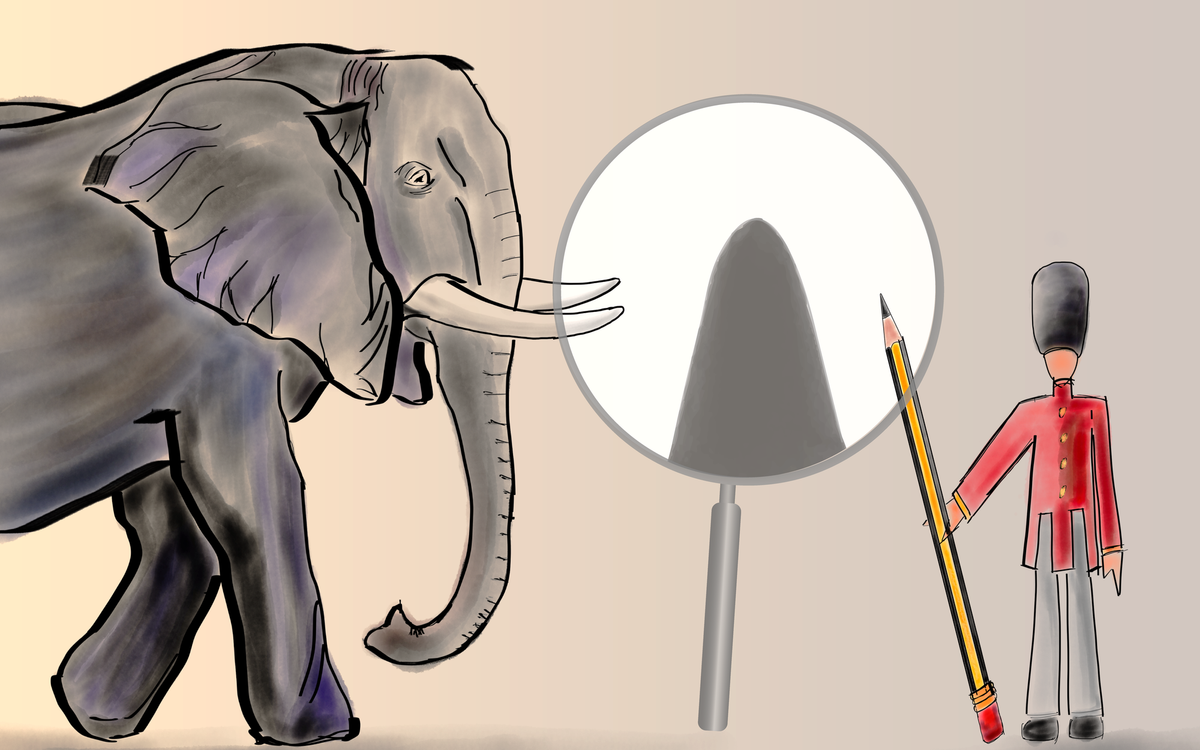
Despite their stunning diversity in purpose, shape, and size, stingers and spikes follow a surprising pattern: across the tree of life, they taper to a blunt tip with the same geometry.[1] It's the universal curve of natural stabbing weapons, as it were.
And in research published last week in the Proceedings of the National Academy of Sciences, researchers used math and a lot of sacrificial pencil nubs to show where that curve comes from.

This post is more than 2 weeks old. To unlock the archive, support my work by becoming become a paid subscriber.