The Loeb Scale for science PR disasters
The Loeb Scale measures the severity of science PR disasters from typos to fraud

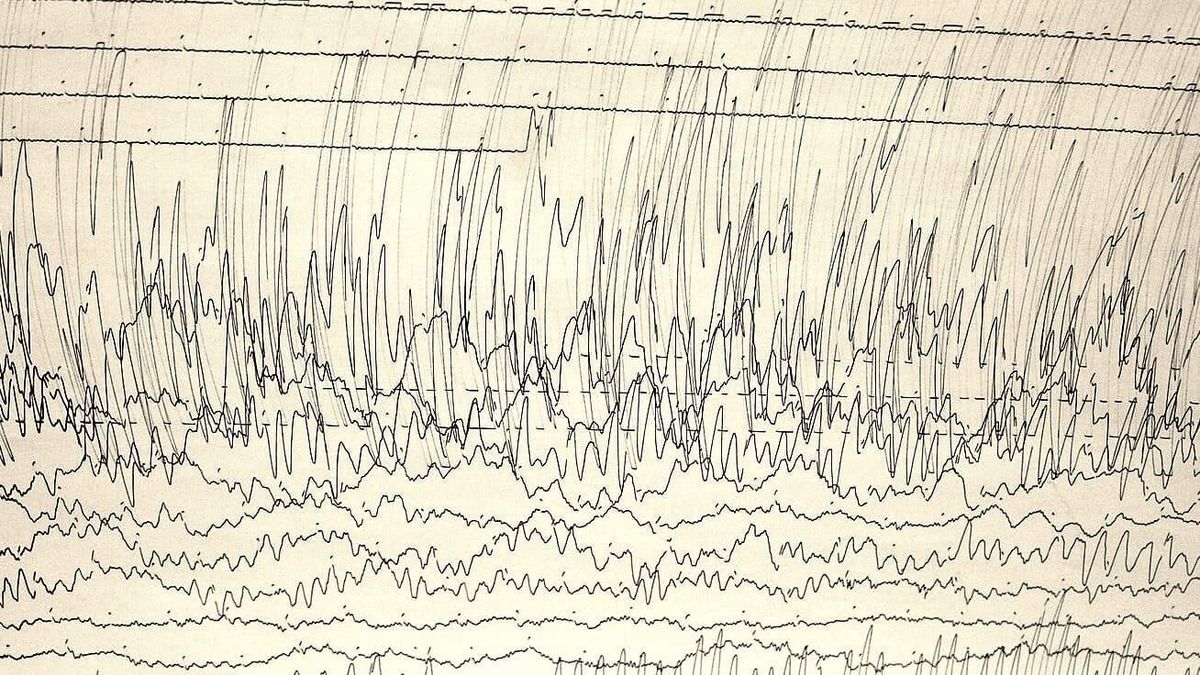
Sloppy or intentionally misleading science communication is widely recognized as damaging and potentially disastrous. But how disastrous? Clearly, an embarrassing typo in a paper is not of the same magnitude as research fraud. To resolve this ambiguity, this article presents the Loeb Scale, a qualitative logarithmic scale for the magnitude of scientific public relations disasters inspired by the Richter scale for the magnitude of earthquakes.
The Loeb Scale is named in honor of Jacques Loeb, a famous early 20th-century biologist who inspired literary characters and appeared frequently in newspapers and magazines. Any perceived reference to other persons, real or fictional, is purely coincidental.
The scale described here should not be confused with the Loeb Scale for rating interstellar objects recently proposed by sports psychologists Omer Eldadi and Gershon Tenenbaum and the scale's namesake, astrophysicist Avi Loeb.
Magnitude 1
Not felt. Recorded only by spellcheck.
Example: Mistaking "effect" for "affect" in the paper abstract
Magnitude 2
Felt slightly by some researchers in the epicenter field. No reputational or emotional damage.
Example: This post, hopefully
This post is more than 2 weeks old. To unlock the archive, support my work by becoming become a paid subscriber.