Hydra are a cosmos in a cuvette
To see order emerge from chaos, Anaïs Bailles shreds up immortal animals and watches them re-grow

The early universe was orderly, but formless. With everything the same everywhere, nothing could happen. But quantum fluctuations near the beginning of time infused the neat and tidy early universe with a pinch of disorder — a bit more energy here, a bit less there. And when the universe expanded, those little patches of slightly denser or sparser stuff grew with it. Today, they're smeared across the sky, visible as miniscule fluctuations in the temperature of the Big Bang's radio afterglow. Everything else — the galaxies and stars and planets of the observable universe — grew up from those first seeds of chaos.
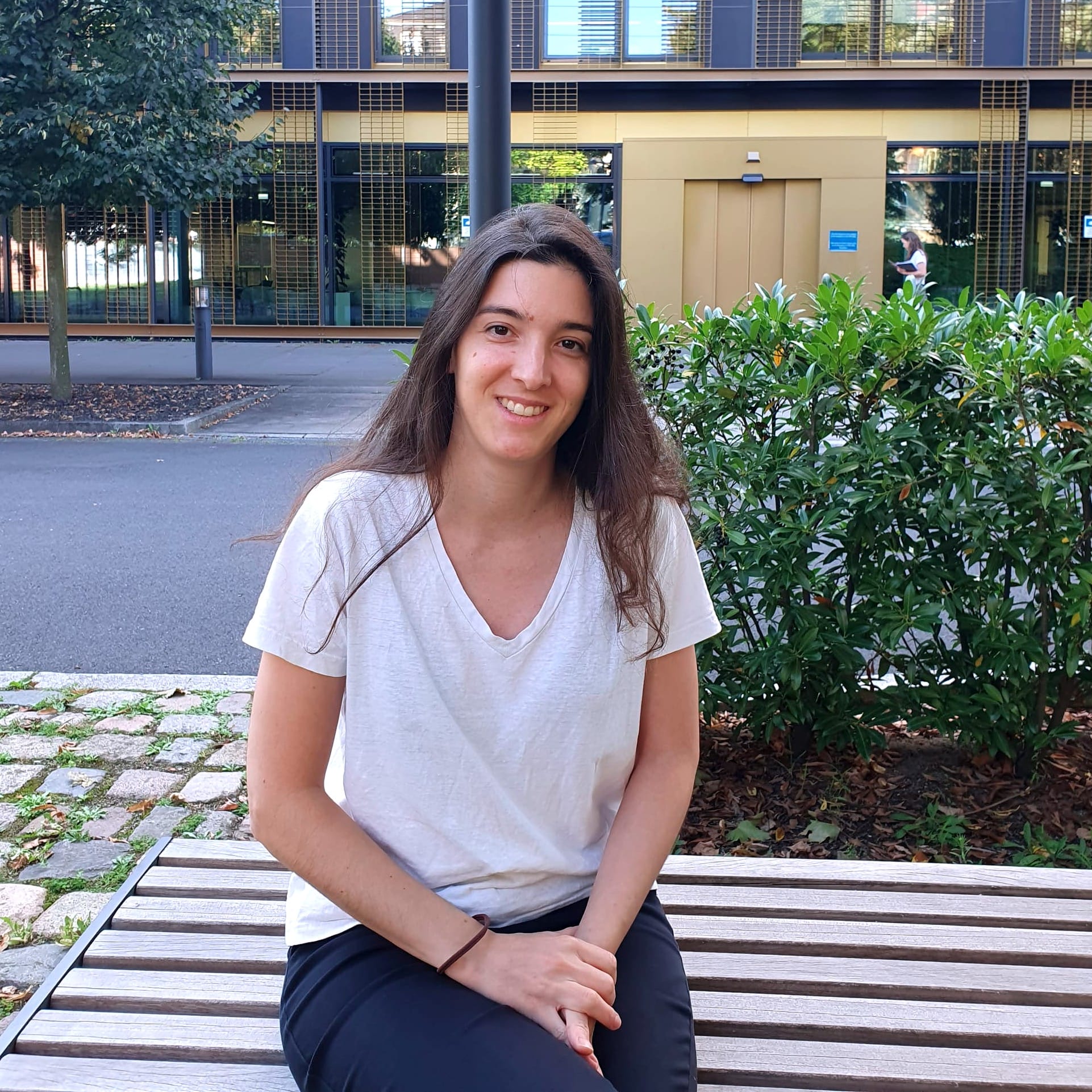
Anaïs Bailles, a physicist-turned-biologist at the Max Planck Institute of Molecular Cell Biology and Genetics in Dresden, Germany, sees a mirror of this cosmic origin story in the animal embryo. Beginning from a relatively shapeless, simple state, animals develop into structured, complex forms. This poses a question similar to the one faced by cosmologists: where does all that new complexity come from? Anaïs thinks that her old field, physics, might have answers for her new one.
Biologists tend to look for explanations in either nature or nurture, and the enormous success of genetics has effectively collapsed "nature" down to the genome. Nature is what's "written in our DNA," in the "blueprint of life." But there are limits to this reductive understanding of how organisms come to be, and the blueprint turns out to be a pretty terrible metaphor for the genome; nowhere in your genes will you find the schematics for an eye. What you will find are instructions for a collection of parts that, embedded in the right environment, will interact with each other to produce more-or-less the same organism, more-or-less every time — but not exactly the same organism, and not every time. If the full story of life is not written in DNA, we must be missing more than several chapters.
This post is more than 2 weeks old. To unlock the archive, support my work by becoming become a paid subscriber.